

Fire safety is not about a single device or system it’s about coordination. In modern buildings, fire alarm systems, fire fighting systems, and evacuation systems are designed to work together as one integrated safety network. When properly planned and maintained, this coordination saves lives, minimizes damage, and ensures compliance with fire safety regulations.
Let’s break down how these systems work individually—and how they come together during a fire emergency.
1. Fire Alarm System: The First Line of Defense
The fire alarm system is the brain of fire safety. Its main role is early detection and alerting.
How it works:
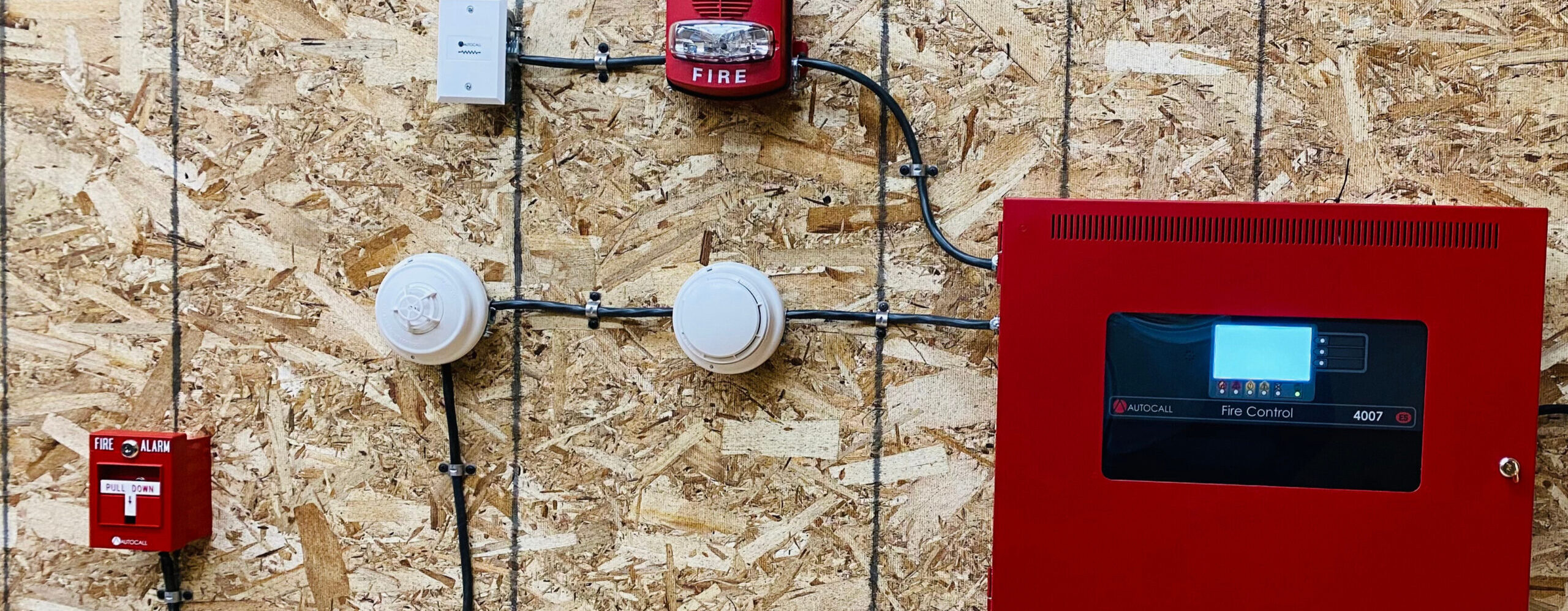
- Smoke detectors, heat detectors, or manual call points detect a potential fire.
- The signal is sent to the Fire Alarm Control Panel (FACP).
- Audible and visual alarms (sirens, bells, strobes) activate throughout the building.
- The system may automatically notify building management or civil defense.
Why it matters:
Early detection gives occupants critical time to react and evacuate safely before the situation escalates.
2. Fire Fighting System: Controlling and Suppressing the Fire
While the alarm alerts people, the fire fighting system focuses on containing or extinguishing the fire.
Common fire fighting systems include:
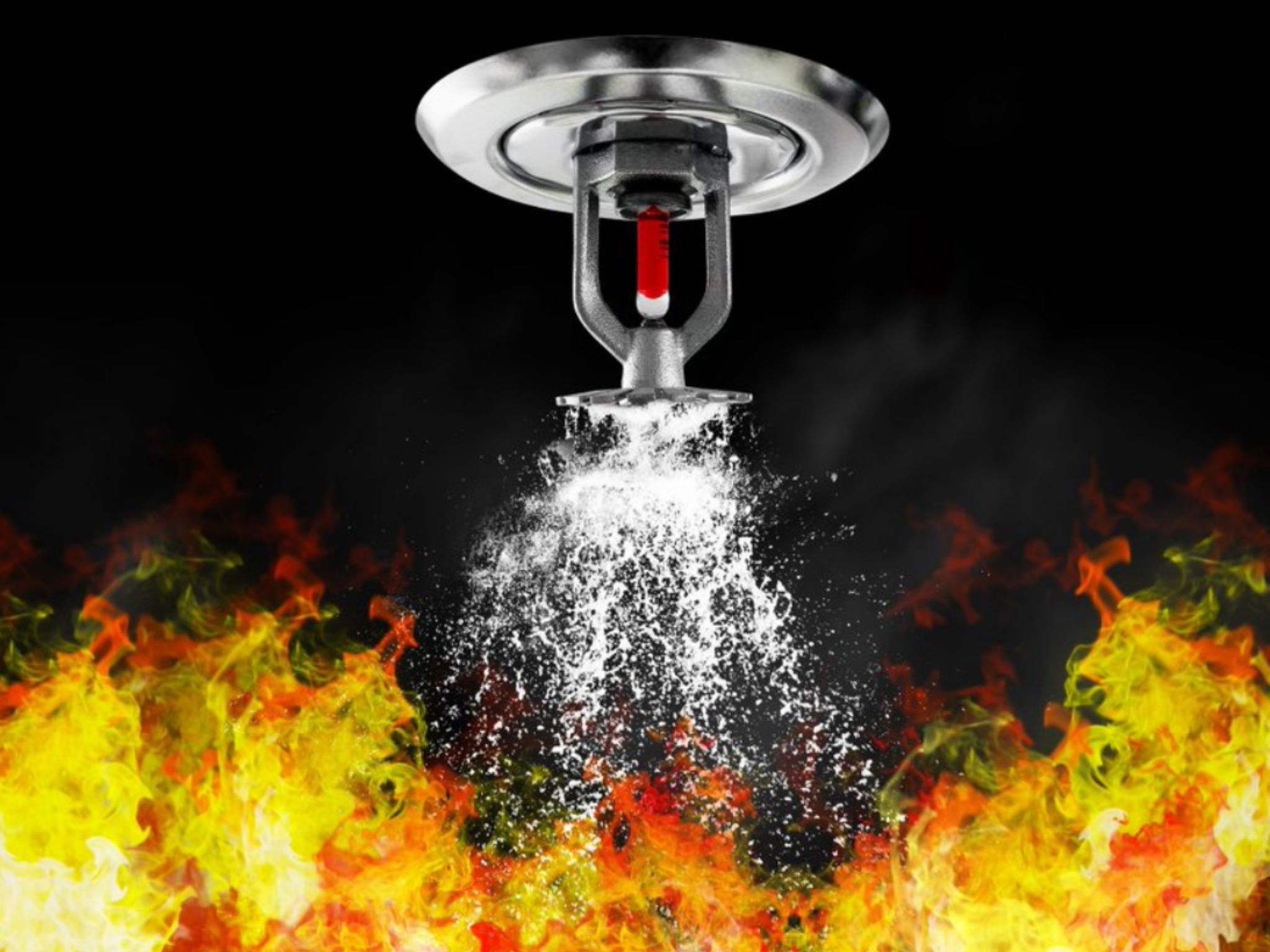
- Automatic sprinkler systems
- Fire hose reels
- Fire extinguishers
- Clean agent systems (FM200, Novec 1230 for data rooms)
- Fire pumps and water tanks
How it integrates:
- Once the alarm detects fire, sprinklers may activate automatically in the affected zone.
- Fire pumps start to ensure adequate water pressure.
- Some systems shut down HVAC to prevent fire and smoke spread.
Why it matters:
Fire fighting systems limit damage, slow fire spread, and create safer conditions for evacuation and firefighting teams.
3. Evacuation System: Guiding People to Safety
The evacuation system ensures that people leave the building quickly, calmly, and safely.
Key components:
- Emergency exit signage (illuminated)
- Emergency lighting
- Voice evacuation systems
- Fire-rated escape staircases
- Evacuation maps and assembly points
How it works during an alarm:
- Emergency lights turn on automatically.
- Exit signs guide occupants to safe routes.
- Voice messages provide clear evacuation instructions.
- Access control systems may unlock doors automatically.
Why it matters:
In emergencies, panic is dangerous. A clear evacuation system reduces confusion and saves lives.
4. How All Three Systems Work Together (Step-by-Step)
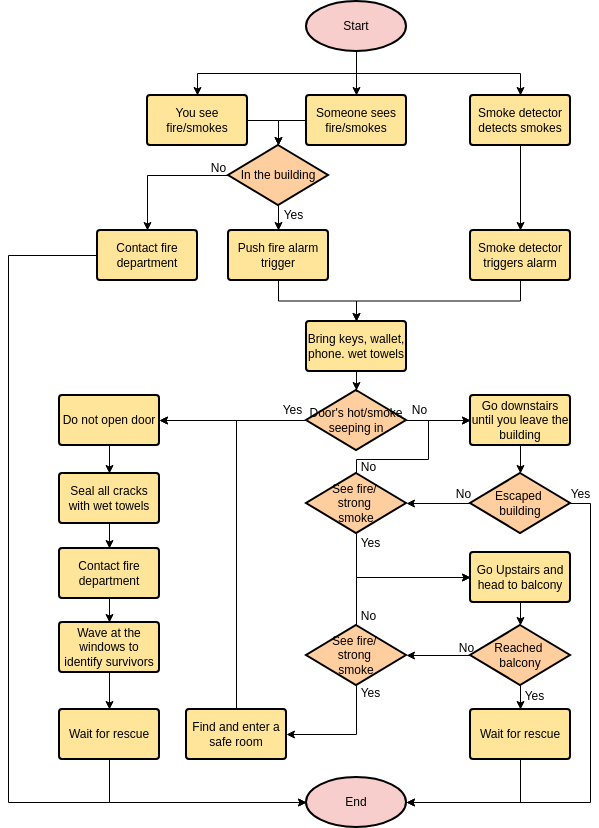
Here’s what happens in a well-integrated fire safety setup:
- Detection
Smoke or heat detector senses fire → signal sent to fire alarm panel. - Alert
Alarms and strobes activate → occupants are warned immediately. - Response
- Sprinklers or suppression systems activate.
- Fire pumps and control valves engage.
- HVAC systems may shut down.
- Evacuation
- Emergency lighting and exit signage guide people out.
- Voice evacuation instructions assist occupants.
- Doors unlock and safe escape routes are maintained.
- External Coordination
- Fire brigade receives alerts.
- Firefighters arrive to take over suppression and rescue.
This chain reaction only works when systems are properly designed, installed, tested, and maintained.
5. Why Integration Is Critical
Many fire incidents become deadly not because systems don’t exist—but because they don’t work together.
Benefits of integrated fire safety systems:
- Faster response time
- Reduced fire spread and property damage
- Clear, organized evacuation
- Compliance with UAE fire and life safety codes
- Increased occupant confidence and safety
6. Maintenance & Compliance: The Hidden Hero
Even the best systems fail without regular inspection and testing.
- Routine testing of alarms and detectors
- Periodic inspection of sprinklers and pumps
- Battery and power backup checks
- Clear evacuation route audits
Preventive maintenance ensures that every system performs exactly when needed most.
Conclusion
Fire alarm, fire fighting, and evacuation systems are not separate safety features they are one unified life-saving strategy. When they work together seamlessly, they protect people, property, and business continuity.
Whether it’s an office, mall, warehouse, hospital, or residential building, investing in a fully integrated fire safety system is not just a legal requirement it’s a responsibility.